

BMC Air Filter FB391/06
BMC Air Filter FB391/06
SKU:FB391/06
OPTIONAL Send us your vehicle's technical data sheet and we will check that the reference is suitable before shipping.
Couldn't load pickup availability
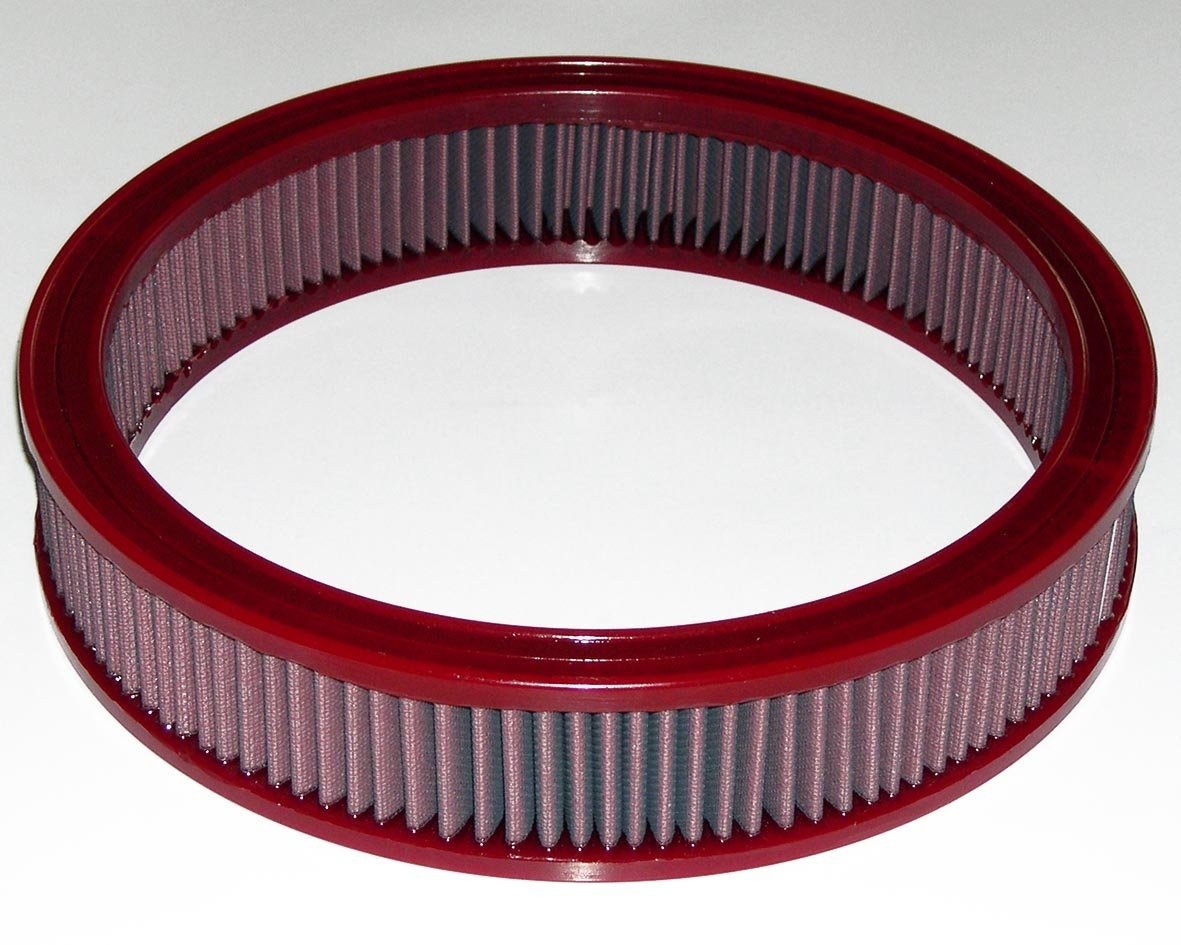
BMC replacement filter FB391/06 BMC air filters are produced using a "Full Molding" system that allows the characteristic red filter to be made from a single mold without welded joints, which prevents easy breakage. The rubber used in BMC air filtration systems has a long life, is very durable, and has optimal adhesion characteristics for all shapes of air boxes.
BMC filters are made of a multi-layered cotton gauze soaked with low-viscosity oil covered with an epoxy-coated alloy mesh to ensure protection against gasoline fumes and oxidation due to air humidity.
All BMC air filters are pre-oiled and can be washed and regenerated using the appropriate BMC regeneration kit.
BMC
Compartir
Low stock: 1 left
COMPATIBLE WITH:
Compatible car models
- FORD BRONCO II 5.8 V8 HP year 84 > 87
- FORD COUNTRY SEDAN 302 V8 HP year 68 > 71
- FORD COUNTRY SEDAN 351 V8 HP year 69 > 71
- FORD COUNTRY SEDAN 390 V8 HP year 68 > 71
- FORD COUNTRY SEDAN 400 V8 HP year 71 > 72
- FORD COUNTRY SEDAN 429 V8 HP year 69 > 72
- FORD COUNTRY SEDAN 460 V8 HP year 1972
- FORD COUNTRY SQUIRE 302 V8 HP year 68 > 71
- FORD COUNTRY SQUIRE 351 V8 HP year 69 > 71
- FORD COUNTRY SQUIRE 390 V8 HP year 70 > 71
- FORD COUNTRY SQUIRE 400 V8 HP year 71 > 72
- FORD COUNTRY SQUIRE 429 V8 HP year 69 > 72
- FORD COUNTRY SQUIRE 460 V8 HP year 1972
- FORD CUSTOM 302 V8 HP year 68 > 71
- FORD CUSTOM 351 V8 HP year 69 > 71
- FORD CUSTOM 390 V8 HP year 68 > 71
- FORD CUSTOM 400 V8 HP year 69 > 72
- FORD CUSTOM 429 V8 HP year 71 > 72
- FORD CUSTOM 500 289 V8 HP year 1968
- FORD CUSTOM 500 302 V8 HP year 68 > 71
- FORD CUSTOM 500 351 V8 HP year 69 > 73
- FORD CUSTOM 500 390 V8 HP year 1968
- FORD CUSTOM 500 400 V8 HP year 71 > 72
- FORD CUSTOM 500 429 V8 HP year 69 > 73
- FORD CUSTOM 500 460 V8 VIN C HP year 73 > 74
- FORD E100 460 V8 ECONOLINE HP year 1978
- FORD E150 460 V8 ECONOLINE HP year 76 > 80
- FORD E150 460 V8 ECONOLINE CLUBWAGON HP year 76 > 79
- FORD E150 5.8 V8 ECONOLINE HP year 84 > 87
- FORD E250 460 V8 ECONOLINE HP year 75 > 80
- FORD E250 460 V8 ECONOLINE CLUBWAGON HP year 75 > 80
- FORD E250 5.8 V8 ECONOLINE HP year 84 > 87
- FORD E250 5.8 V8 ECONOLINE CLUBWAGON HP year 81 > 87
- FORD E250 7.5 V8 ECONOLINE CLUBWAGON HP year 85 > 87
- FORD E350 460 V8 ECONOLINE HP year 75 > 80
- FORD E350 460 V8 ECONOLINE CLUBWAGON HP year 78 > 80
- FORD E350 5.8 V8 CUTAWAY HP year 81 > 87
- FORD E350 5.8 V8 ECONOLINE CLUBWAGON HP year 81 > 87
- FORD E350 7.5 V8 CUTAWAY HP year 85 > 87
- FORD E350 7.5 V8 ECONOLINE CLUBWAGON HP year 85 > 87
- FORD F100 302 V8 PICKUP HP year 70 > 72
- FORD F100 360 V8 HP year 75 > 76
- FORD F100 360 V8 PICKUP HP year 68 > 74
- FORD F100 390 V8 HP year 75 > 76
- FORD F100 390 V8 PICKUP HP year 68 > 74
- FORD F100 460 V8 HP year 75 > 79
- FORD F100 460 V8 PICKUP HP year 73 > 74
- FORD F150 360 V8 HP year 75 > 76
- FORD F150 390 V8 HP year 75 > 76
- FORD F150 460 V8 HP year 75 > 79
- FORD F150 5.8 V8 HP year 85 > 87
- FORD F250 302 V8 PICKUP HP year 1972
- FORD F250 360 V8 HP year 75 > 76
- FORD F250 360 V8 PICKUP HP year 68 > 74
- FORD F250 390 V8 PICKUP HP year 68 > 74
- FORD F250 460 V8 HP year 75 > 79
- FORD F250 460 V8 PICKUP HP year 73 > 74
- FORD F250 5.8 V8 HP year 84 > 87
- FORD F250 7.5 V8 HP year 83 > 87
- FORD F350 302 V8 PICKUP HP year 1972
- FORD F350 360 V8 HP year 75 > 76
- FORD F350 360 V8 PICKUP HP year 68 > 74
- FORD GALAXIE 500 460 V8 VIN C HP year 1974
- FORD GRAN TORINO 400 V8 HP year 1972
- FORD GRAN TORINO 429 V8 HP year 1972
- FORD LTD 289 V8 HP year 1968
- FORD LTD 302 V8 HP year 68 > 71
- FORD LTD 351 V8 HP year 69 > 73
- FORD LTD 390 V8 HP year 68 > 71
- FORD LTD 400 V8 HP year 71 > 73
- FORD LTD 429 V8 HP year 69 > 73
- FORD LTD 460 V8 HP year 1972
- FORD LTD 460 V8 VIN C HP year 75 > 78
- FORD MAVERICK 302 V8 HP year 1971
- FORD MOTORHOME - CLASS C 5.8 V8 4BBL HP year 82 > 87
- FORD MOTORHOME - CLASS C 7.7 V8 4BBL HP year 1968
- FORD MUSTANG I 289 V8 HP year 68 > 71
- FORD MUSTANG I 302 V8 HP year 68 > 71
- FORD MUSTANG I 351 V8 HP year 69 > 73
- FORD MUSTANG I 390 V8 HP year 1968
- FORD MUSTANG I 429 V8 HP year 1971
- FORD P-350 360 V8 HP year 1973
- FORD P-350 390 V8 HP year 72 > 73
- FORD RANCH WAGON 289 V8 HP year 1968
- FORD RANCH WAGON 302 V8 HP year 68 > 71
- FORD RANCH WAGON 351 V8 HP year 69 > 71
- FORD RANCH WAGON 400 V8 HP year 69 > 72
- FORD RANCH WAGON 429 V8 HP year 71 > 72
- FORD RANCHERO 302 V8 HP year 68 > 71
- FORD RANCHERO 351 V8 HP year 69 > 72
- FORD RANCHERO 390 V8 HP year 1968
- FORD RANCHERO 400 V8 HP year 1972
- FORD RANCHERO 429 V8 HP year 71 > 72
- FORD THUNDERBIRD 390 V8 HP year 67 > 68
- FORD THUNDERBIRD 400 V8 HP year 1972
- FORD THUNDERBIRD 429 V8 HP year 68 > 73
- FORD THUNDERBIRD 460 V8 HP year 1972
- FORD TORINO 289 V8 HP year 1968
- FORD TORINO 302 V8 HP year 68 > 71
- FORD TORINO 351 V8 HP year 1971
- FORD TORINO 351 V8 4BBL HP year 1974
- FORD TORINO 390 V8 HP year 1968
- FORD TORINO 400 V8 HP year 1972
- FORD TORINO 429 V8 HP year 69 > 72
- FORD TORINO 460 V8 VIN C HP year 75 > 76
FAQ - PREGUNTAS FREQUENTES
1. ¿Por qué elegir un filtro de aire BMC frente a uno de papel convencional?
Los filtros BMC están fabricados con una malla de aleación revestida de epoxi y tejido de algodón multicapa empapado en aceite de baja viscosidad. A diferencia del papel, este sistema permite un flujo de aire muy superior sin comprometer la filtración, lo que se traduce en una mejora directa en la respuesta del motor y la eficiencia de combustión en motocicletas y coches de alto rendimiento.
2. ¿Es necesario remapear la centralita (ECU) al instalar un filtro BMC?
No es obligatorio. Los filtros BMC estándar están diseñados para trabajar con los parámetros de fábrica. Sin embargo, para extraer el máximo potencial en preparaciones con escapes deportivos o modificaciones de motor, un ajuste de la ECU permitirá optimizar la mezcla aire-combustible aprovechando el caudal extra de aire.
3. ¿Cómo sé si mi filtro BMC necesita limpieza?
A diferencia de los filtros desechables, el filtro BMC es regenerable. Se recomienda una inspección visual cada 10.000 km o después de condiciones de uso intenso (circuito o zonas con mucho polvo). Si la superficie del algodón está saturada de suciedad y el color rojo original ha desaparecido, es momento de utilizar el Kit de Regeneración BMC.
4. ¿Afecta el uso de un filtro BMC a la garantía oficial de mi vehículo?
La instalación de un filtro de aire de alto rendimiento BMC es una mejora de sustitución directa (drop-in) que cumple con los estándares de calidad de equipo original. En la mayoría de los mercados, esto no invalida la garantía, ya que el filtro está diseñado para proteger el motor de forma superior a los filtros de papel.
5. ¿Qué diferencia hay entre la versión "Standard" y la versión "Race" de BMC?
La versión Standard ofrece un equilibrio perfecto entre filtración extrema y flujo de aire para uso diario. La versión Race (identificada por la línea naranja/roja en el diseño) está optimizada para competición, permitiendo un paso de aire aún mayor al reducir las capas de algodón, diseñada para motores que operan constantemente a altas revoluciones.
6. Sistemas de Admisión y Productos¿Qué significan las siglas CDA, OTA, DIA y CRF?
CDA (Carbon Dynamic Airbox):
Sistema de filtración cilíndrico en fibra de carbono que canaliza aire fresco directamente al motor.
OTA (Oval Trumpet Airbox):
Evolución del CDA con diseño ovalado que optimiza el flujo dinámico.
DIA (Direct Intake Airsystem):
Sistema de admisión directa para aplicaciones específicas.
CRF (Carbon Racing Filter):
Filtro de alto rendimiento fabricado íntegramente con estructura de fibra de carbono para máxima ligereza y flujo.
7. ¿Cuál es la diferencia entre filtros de algodón aceitado y filtros sintéticos?
Los filtros BMC de algodón empapado en aceite capturan impurezas más pequeñas sin obstruir el paso del aire, manteniendo un alto rendimiento constante. Los filtros sintéticos suelen ser secos y, aunque filtran, no ofrecen la misma capacidad de flujo y regeneración que el sistema de gasa de algodón multicapa de BMC.
8. ¿Produce BMC solo productos de alto rendimiento o también filtros de sustitución?
BMC fabrica tanto sistemas de competición avanzada como filtros de sustitución directa (Replacement Filters), que reemplazan al filtro de papel original sin necesidad de modificaciones en la caja de aire.
9. Garantía y Originalidad
¿Cómo puedo estar seguro de que he comprado un producto original (DIA, CDA u OTA)?
Los productos originales BMC incluyen elementos de seguridad en el embalaje y grabados específicos en el cuerpo del filtro. Se recomienda comprar siempre a través de distribuidores autorizados para garantizar la autenticidad.
⚙️ Aspectos Técnicos e Instalación
¿Son los kits de admisión BMC fáciles de instalar?
Sí, la mayoría de los filtros de sustitución se instalan en minutos. Los sistemas universales o kits de admisión (CDA/OTA) pueden requerir adaptaciones específicas dependiendo del espacio en el vano motor, pero están diseñados para ser instalados con herramientas básicas.
¿Hay riesgo de dañar el sensor de masa de aire (MAF) al instalar un filtro BMC?
No, siempre que se sigan las instrucciones de mantenimiento. El aceite utilizado por BMC es específico y, si se aplica la cantidad correcta tras la limpieza, no afecta ni daña los sensores de flujo de aire.
¿Es necesario reprogramar la centralita (ECU) al instalar un sistema CDA, OTA o DIA?
No es estrictamente necesario, ya que la centralita original puede compensar el aumento de flujo de aire. Sin embargo, para obtener la máxima ganancia de potencia, una reprogramación puede optimizar la mezcla con el nuevo caudal de aire disponible.
Mantenimiento y Limpieza
¿Se pueden reutilizar los filtros BMC?
Sí. A diferencia de los filtros de papel que se desechan, los filtros BMC están diseñados para durar toda la vida útil del vehículo mediante su regeneración periódica.
¿Cómo se regenera un filtro BMC?
El proceso consiste en lavar el filtro con el detergente específico de BMC para eliminar la suciedad, dejarlo secar de forma natural y aplicar nuevamente el aceite de baja viscosidad oficial para restaurar sus propiedades de filtración.